DooBeeDooBeeDoo is a cross-cultural on-line magazine, based on the view that music and community are indivisible, and that musicians, consumers and record companies are all part of one community. The basic thrust of the editorial content is that a social awareness can be fostered through music.
Earthy notes spill from an oud, like raindrops on ancient wood. A saxophone seeks out an exotic note somewhere between an equally tempered E and an Eb, and seduces it into a counter melody. The two voices converse, sharing each other’s ideas and passions. Percussions hang ornaments in the air, and the bass reaches under this dancing visceral language between two cultures, and lifts it into flight. Eventually, the oud asserts itself and makes a final statement.
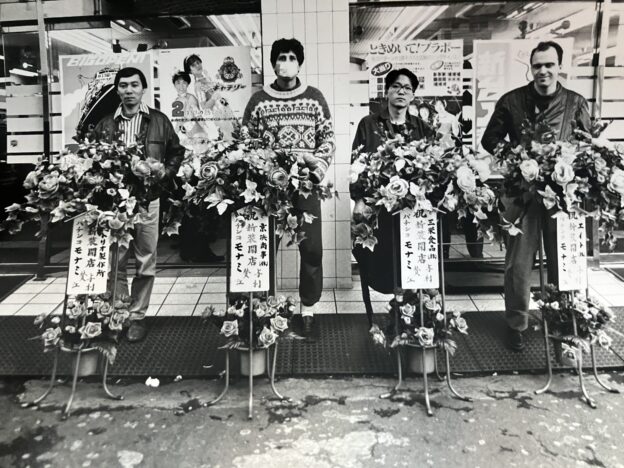
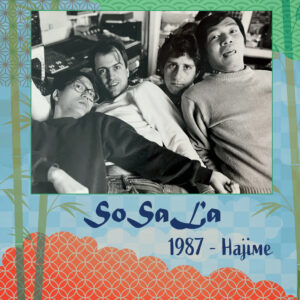
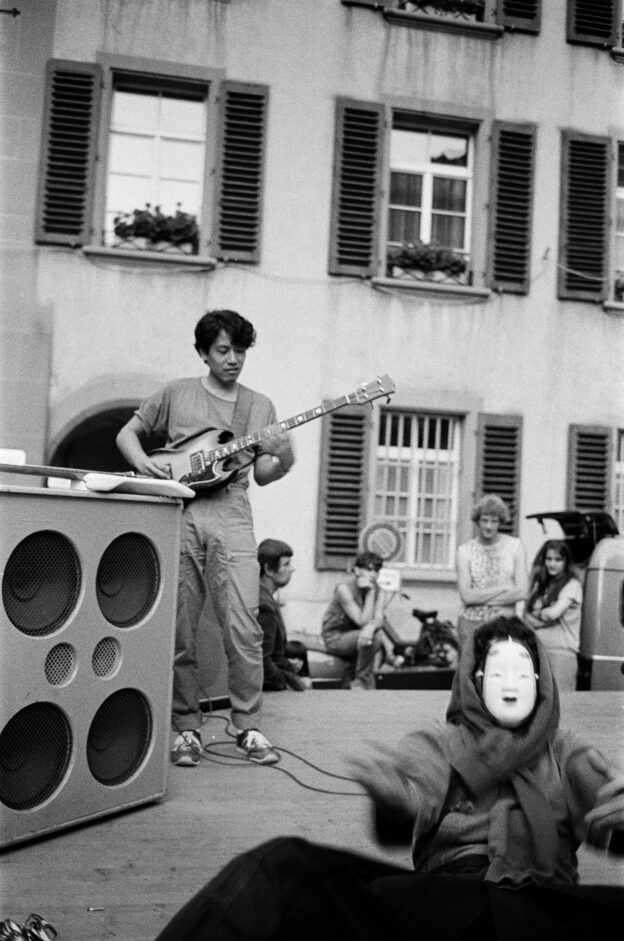
A flurry of activity has reached us here in NYC from Dutch-based sound artist Pascal Plantinga. Three releases from the Ata Tak label have come out recently, featuring Platinga’s production and bass work, as well as vocals, with his moody pop sensibility the constant on all of these recordings. One features a collaboration with a traditional Japanese samisen player, another, a found-sound pop project, and the third is a live album, recorded at The Stone in NYC in 2009, with sax, and electronics. Bundled with this release is also a short film, entitled Learn To Speak Your Language, which is his visual and musical interpretation of what goes through a person’s mind in the seconds before they die.
A so-called “pop-eccentric”, Plantinga seems to be pretty damn busy right now, churning out these different recordings, showing off different sides of his approach to music. From Holland he seems to get around, working with a singer in Okinawa, Japan, downtown scene musicians in NYC, and his hometown crew in the Netherlands. What remains constant though, is his ability to capture the feeling of a moment and craft it into a slow-boiling song that rides out the emotion, checks through a number of possibilities, and eases into the most appropriate vein of expression.
Artist: Sibiri Samake Title: Dambe Foli Label: Kanaga System Krush Genre: Malian traditional music
Independent record label Kanaga System Krush (K.S.K.) released this fall Dambe Foli. Sibiri Samaké’s second and long-awaited album featuring traditional Mande/Bamana Hunters’ music.
Artist: Nawal Title: Embrace The Spirit Label: JADE/WARNER MUSIC Genre: Comoros Island “sufi” folk music
Recommended by Sohrab Saadat Ladjevardi
Nawal comes from the Comoros Islands, in the Indian Ocean between Mozambique and Madagascar. Now based in Paris she is recognized as a key figure from her native islands. Between traditional and contemporary, Nawal’s compositions are an acoustic roots-based fusion, inspired by the light of her Sufi heritage founded on love, respect and peace. When live in concert, Nawal’ powerful voice and message is able to touch her audience’s hearts.
Artist: Tarana Title: After The Disquiet EP Label: self-release Release date: October 4, 2011 Genre: elctronica
Review by Jim Hoey
Drummer, improviser, and experimenter Ravish Momin is the guiding force behind Tarana, and on his latest EP, After The Disquiet, his jazz, world, Indian, and electronica roots are mixed with violinist Trina Basu’s plaintive strains and pulsing lines. This collaboration leads into melodic territory and beyond for over 35 minutes, with both instrumentalists leading and building off of eachother in fluid improvisations in real time.Read More
Artist: José Cónde Title: José Cónde Label: PiPiKi Records Release date: September 6, 2011 CD release party: at 92nd Street Y Tribeca on September 9, 2011 Genre: singer-song writer/latin groove
José Cónde lives his lyrics. He gets grooves from the names of trees. He leaves melody lines on his own answering machine. He can turn a playful refrain to his dog into a dance anthem. His songs are odes to hot dresses, Brazilian muses, discombobulated elephants, and life-giving springs.
Cónde brings a new focus and maturity to this whimsical world on Jose Conde. He turns highly personal songs into new global grooves and reflective, dynamic ballads. As a songwriter and bandleader, Cónde developed a striking instinct for merging his Miami upbringing, Cuban roots, and the sizzle of New York’s Latin underground. But the new self-titled album is distinguished by a universality; catchy melodies and danceable rhythms likely to draw listeners of all stripes.
Artist: Kristjan Järvi’s Absolute Ensemble Title: Arabian Nights: Live at Town Hall NYC Label: Enja Rec (Germany) Cat.#: ENJ-9571 2 Genre:a melding of Middle Eastern musical genres with Western musical genres including jazz, rock, and contemporary classical, as a post-September 11 statement of unity
Reviewed by Leo Volf
Within moments of listening to Arabian Nights, the term world music instantly springs to mind. The title of the album definitely gives the listener an idea of what part of the world he’s listening to, but to simply categorize the music as an “east meets west” collaboration would be a great disservice to everyone involved. The list of influences seems quite eclectic and the ensemble executes the ideas with great ease. At certain points, members of the ensemble can’t help but to put their own personal stamp on the music. Matt Herskowitz’s light piano fills on “Amr I Bismiki” are a perfect example. Certainly, one would not find a jazz pianist in a traditional Middle Eastern ensemble, but the in the case of the Absolute Ensemble the mix is quite natural and almost seems necessary. And all of this was recorded at one of the most respected acoustic environments in New York City, Town Hall.